

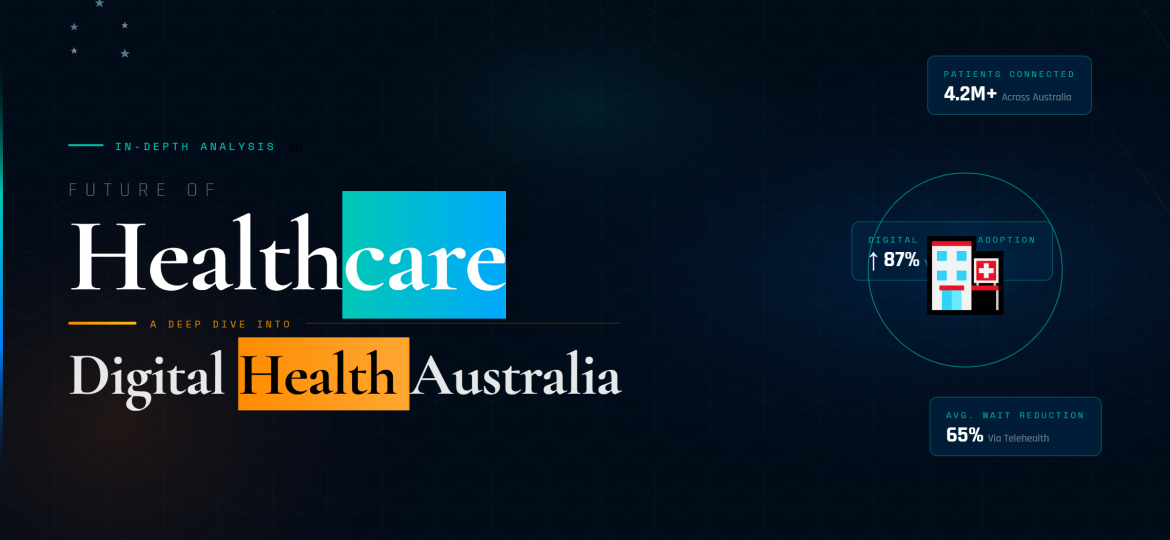
Healthcare is changing fast in Australia. We are moving away from paper files and long wait times. The new era is all about digital health Australia. This means using technology to make care better, faster, and safer for everyone. Whether you live in a big city or a remote town, digital tools are bridging the gap.
At Health Cluster, we see how these changes help doctors and patients every day. Our goal is to provide the best tools for this journey. In this guide, we will look at the trends, the tech, and the future of our health system.
The Vision of the National Digital Health Strategy 2023–2028
The Australian government has a clear plan for the next few years. The National Digital Health Strategy 2023–2028 aims to build a connected health system. This plan focuses on four main goals:
- Digitally enabled care: Creating services that are safe, secure, and sustainable.
- Person-centred care: Giving you the power to manage your own health with the right info.
- Inclusive access: Making sure everyone gets care, no matter where they live.
- Data-driven insights: Using data to make better choices for patients and the country.
This strategy is not just about computers. It is about making sure your health story follows you. You should not have to repeat your history every time you see a new doctor.
Transforming Clinics with EMR and EHR Systems
A big part of digital health Australia is the move to digital records. You may hear terms like EMR and EHR. While they sound the same, they have different roles in your care.
What is an EMR?
An EMR (electronic medical record) is a digital version of a patient’s chart in one clinic. It contains the medical and treatment history of the patients in that office. Using the best EMR in Australia helps doctors track data over time and identify who is due for check-ups.
What is an EHR?
An EHR (electronic health record) goes beyond one clinic. It is built to share info with other health providers. This means your lab results or specialist notes can move with you. It is the foundation of interoperability in healthcare.
Telehealth and Virtual Care Models
Telehealth services Australia have become a normal part of life. It is no longer just for emergencies or pandemics. Today, virtual care models allow you to see a doctor from your couch.
- Telemedicine Australia: This allows for video or phone calls with your GP or specialist.
- Online doctor consultation Australia: You can book and speak to a professional in minutes.
- Telehealth prescriptions Australia: After your chat, the doctor can send a script directly to your phone or pharmacy.
- Teledentistry consultations Australia: Even dentists are using video to triage patients and give advice before an in-person visit.
When using these services, it is important to know the telehealth 12-month rule. This rule usually requires you to have seen the doctor in person within the last year to get a Medicare rebate.
Modern Hospital Management and HIS
Large hospitals need complex systems to run well. A hospital information system (HIS) or hospital management system handles everything. This includes patient beds, staff shifts, and medical supplies.
The best HIS in Australia must be fast and reliable. At Health Cluster, our HIS solutions focus on:
- Real-time patient communication: Keeping families updated on a loved one’s status.
- RCM (Revenue Cycle Management): Making sure the hospital stays financially healthy so it can keep providing care.
- Automated appointment reminders: Reducing the number of people who miss their visits.
Specialized Care: Dental Software Australia
Dentistry has its own unique needs. A good dental PMS (Practice Management Software) makes a clinic run like clockwork.
- Dental software Australia: These tools help with digital dental charting software and 3D X-rays.
- HICAPS integrated software: This allows you to claim your private health insurance on the spot. No more waiting for refunds.
- Dental patient management software: This organizes your history, images, and payments in one secure place.
By using a paperless clinic workflow, dentists can spend more time looking at your teeth and less time filing folders.
The Importance of Interoperability and Standards
For digital health Australia to work, different systems must talk to each other. This is called interoperability. To do this, they use “languages” like HL7 and FHIR.
- HL7: A set of international standards for sharing clinical and admin data.
- FHIR: A newer standard that makes it even easier to share data between apps and systems.
- My Health Record integration: This allows your local clinic to upload summaries to the national system.
My Health Record expansion: The government is adding more features, like real-time pathology results.
Security and Compliance in the Digital Age
Safety is the top priority. When you use paperless clinic solutions, your data must be protected.
- Australian Privacy Principles compliant software: This ensures your clinic follows the law on how they handle your info.
- Australian data residency for healthcare: This means your sensitive medical data stays on servers located inside Australia.
- AHPRA-compliant software: Software that meets the high standards set by the Australian Health Practitioner Regulation Agency.
- Healthcare cybersecurity Australia: With more data online, hospitals are investing in “Zero Trust” security to stop hackers.
Enhancing the Patient Experience
The future of healthcare is person-centred digital health. This means the system is built around you.
- Online patient booking systems: You can pick a time that works for you without calling anyone.
- Real-time data exchange: Your doctor gets your blood test results the moment the lab finishes them.
- Remote patient monitoring (RPM): If you have a chronic illness, you can wear a device that sends your vitals to your doctor.
- Health equity and access: Digital tools help people in rural areas get the same expert care as those in Sydney or Perth.
Conclusion
Digital health Australia is making our lives easier. From EMR Sydney to EMR Perth, clinics are becoming more efficient. We are seeing a digitally enabled health workforce that can focus on care rather than paperwork. With tools like automated appointment reminders and HICAPS integrated software, the “admin” side of health is fading into the background.
At Health Cluster, we are proud to be part of this change. Our paperless clinic solutions and advanced HIS are designed for the modern Australian landscape. We help you stay compliant, secure, and connected.
Are you ready to modernize your practice? Contact Health Cluster today to see how our EMR and hospital management systems can transform your care.
