

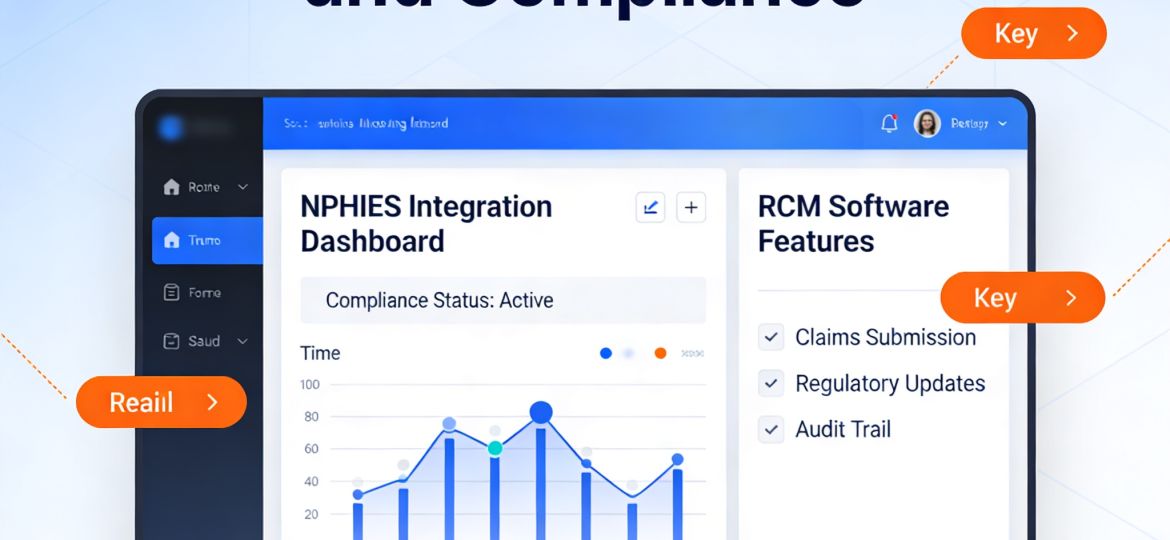
The healthcare landscape in the Kingdom of Saudi Arabia is changing fast. With the drive of Vision 2030 healthcare transformation, medical providers are moving toward a digital future. At the heart of this change is the need for efficient financial management. This is where RCM software KSA becomes vital.
For any modern hospital or clinic, managing the journey of a patient from the front desk to the final payment is complex. Using a dedicated system like the one offered by Health Cluster helps simplify these steps while staying within the law.
What Is RCM in Healthcare
In simple terms, revenue cycle management or RCM is the process that healthcare providers use to track patient care episodes from registration and appointment scheduling to the final payment of a balance. It combines the clinical side of healthcare with the business side. When a patient walks into a clinic, the revenue cycle begins. It includes checking their insurance, coding the medical services, and sending bills to insurance companies.
An effective RCM in healthcare ensures that hospitals get paid for the work they do. Without a strong system, money can be lost due to errors or missed steps. This is why RCM software is no longer just an option but a necessity for financial health.
The Importance of NPHIES compliance
One of the biggest updates in Saudi healthcare is the National Platform for Health and Insurance Exchange Services (NPHIES). This platform aims to make insurance processing faster and more transparent. To operate in Saudi Arabia today, your system must have NPHIES compliance.
- NPHIES technical integration: This involves connecting your internal billing tools directly to the national platform. It allows for the instant exchange of data between providers and insurance companies.
- Real-time adjudication: With the right software, you can get an immediate response on whether a claim is accepted or rejected. This stops the long wait times that used to slow down hospital cash flow.
Key Features of RCM Software KSA
Choosing the right RCM software KSA requires looking at specific features that fit the local market. Health Cluster provides a suite of tools designed for the unique needs of Saudi medical centers.
Automated Eligibility Verification
Before a doctor even sees a patient, the system should perform automated eligibility verification. This checks if the patient’s insurance is active and what services it covers. This one step can significantly reduce claim denial rates.
Integrated EHR and RCM
When your Electronic Health Records (EHR) connectivity is seamless, data flows naturally. An integrated EHR and RCM system means that when a doctor enters a diagnosis, the billing code is generated automatically. This reduces the chance of human error during charge capture.
Arabic Language Support/Interface
Since many staff members and patients prefer interacting in their native tongue, having an Arabic language support/interface is a major benefit. It makes the software easier to learn and reduces mistakes caused by language barriers.
Solving Common Problems with RCM Saudi Arabia
Healthcare providers in Riyadh, Jeddah, and across the Kingdom face similar struggles. These problems often lead to what is known as revenue leakage.
- Revenue leakage prevention: This is the process of finding where money is being lost in the billing cycle. It might be due to unbilled services or incorrect coding.
- Denial management solutions: When an insurance company refuses to pay a claim, you need a way to track and appeal that decision. Modern software helps you see why the denial happened so you can fix it.
- Claims scrubbing software: This tool checks claims for errors before they are sent out. It looks for missing information or wrong codes to ensure the claim is “clean.”
RCM Software for Hospitals vs. RCM Software for Clinics
The needs of a large hospital are different from a small clinic. However, both require a system that scales with them.
RCM Software for Hospitals
Large facilities in Riyadh or Jeddah handle thousands of patients. They need revenue cycle management for private hospitals that can handle complex inpatient billing and multiple insurance contracts. They often look for cloud-based RCM solutions to manage data across different departments safely.
RCM Services for Polyclinics and Medical Centers
Smaller centers like polyclinics need a system that is fast and easy to use. RCM services for polyclinics focus on quick outpatient billing and maintaining medical coding accuracy KSA. For these providers, RCM software for medical centers must be affordable yet powerful.
Meeting Regulatory Standards: CHI and ZATCA
Beyond NPHIES, there are other rules to follow in Saudi Arabia. Your RCM software must be up to date with all local laws.
- CHI compliance: The Council of Health Insurance sets the standards for how insurance should work. Your software must follow these rules to stay licensed.
- NHIC standards: The National Health Information Center provides the framework for how health data should be stored and shared.
- ZATCA e-invoicing for healthcare: Every medical bill must follow the electronic invoicing rules set by the Zakat, Tax and Customs Authority. A good system handles this automatically.
- HL7 FHIR protocols: These are technical standards like HL7 and FHIR that allow different medical systems to talk to each other. This is part of the broader interoperability in Saudi healthcare.
The Benefits of Faster Insurance Reimbursement
The goal of any medical billing services in Riyadh or medical billing services in Jeddah is to get paid quickly. When you use automated claims processing, the time it takes to receive funds drops. Faster insurance reimbursement means the clinic has the cash it needs to pay staff and buy new equipment.
By using a system that emphasizes denial management and appeals, you ensure that even the tough claims get paid eventually. This builds a stable financial base for the facility.
Conclusion
The move toward Saudi Vision 2030 healthcare digitalization is not just a trend; it is the new standard. Using high-quality RCM software KSA is the best way to ensure your facility remains profitable and compliant with NPHIES. Whether you are looking for RCM services to outsource your billing or a robust RCM software to run in-house, Health Cluster has the expertise you need.
Our solutions are built specifically for the Saudi market. We understand the local insurance rules and the technical needs of NPHIES integration. Let us help you stop revenue leakage and start growing your practice with confidence.
Are you ready to optimize your revenue cycle? Book a demo and see how our RCM software can transform your healthcare business.
