
Healthcare providers need more than appointment scheduling to run an efficient medical practice. They must coordinate doctors, patients, electronic medical records, billing, insurance claims, clinical documentation, laboratory services and administrative workflows without compromising patient care.
HealthCluster provides clinic management software designed to help healthcare facilities digitize clinical and administrative operations through connected healthcare technology. From single-specialty medical practices to multi-specialty outpatient clinics, medical centres and hospitals, an integrated system can help teams manage daily activities, access patient information and improve coordination across departments.
For healthcare providers searching for clinic management software in Dubai or clinic management software in the UAE, choosing the right platform means evaluating its clinical capabilities, integration requirements, security controls, scalability and suitability for local healthcare workflows.
HealthCluster offers healthcare technology solutions that include electronic medical records (EMR), hospital information systems (HIS), dental PMS, laboratory information systems (LIS), telehealth and connected patient management capabilities.
Looking to modernize your clinic? Book a HealthCluster demo to explore how an integrated healthcare management system can support your operational requirements.
What Is Clinic Management Software?
Clinic management software is a digital platform that helps healthcare providers organize patient appointments, registrations, medical records, consultations, billing and other routine clinical and administrative activities.
Instead of relying on disconnected spreadsheets, paper files and separate applications, clinics can use an integrated clinic management system to centralize essential information and coordinate workflows between receptionists, doctors, nurses, billing teams and administrators.
Depending on the platform, clinic software may include:
- Patient registration and demographic management.
- Appointment scheduling and reminders.
- Electronic medical records and clinical documentation.
- Doctor consultation and prescription management.
- Medical billing and insurance claim workflows.
- Laboratory and diagnostic integrations.
- Pharmacy and inventory management.
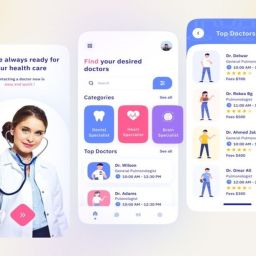
- Patient portals and online booking.
- Operational reports and performance dashboards.
- Integration with external healthcare systems.
A well-selected medical clinic software solution helps reduce repetitive administrative tasks and gives authorized staff more consistent access to the information required for their responsibilities.
However, not every clinic needs every feature. A small general practice may prioritize appointments, consultations and billing, while a multi-specialty medical centre may require role-based access, multiple departments, insurance workflows and more complex integrations.
The right solution should match the clinic’s actual operational needs rather than simply offering the longest feature list.
Why Clinics in Dubai and the UAE Need a Connected Management System
Healthcare facilities across the UAE operate in an environment where patient experience, operational efficiency, secure information handling and healthcare data exchange are important considerations.
Manual processes can create avoidable problems. Reception staff may struggle to coordinate appointments, doctors may need to search across multiple records, and finance teams may spend unnecessary time reconciling billing information.
These challenges become more significant when a healthcare provider operates multiple specialties, locations or diagnostic services.
Clinic management software in Dubai can help address these challenges by connecting key workflows within a single operational environment.
1. Improve Appointment Scheduling
A digital appointment management system allows staff to organize doctor schedules, manage bookings and monitor appointment availability.
Depending on the system’s configuration, clinics can support different consultation types, appointment durations, rescheduling and cancellation workflows. Online booking capabilities can also make it easier for patients to request appointments without relying entirely on telephone calls.
2. Centralize Patient Information
When patient information is distributed across different systems, healthcare teams may spend more time retrieving records and verifying details.
An integrated clinic management system can bring patient demographics, medical history, consultation notes, prescriptions and relevant diagnostic information into a more accessible workflow.
Access should be controlled according to staff responsibilities, with appropriate safeguards for confidential health information.
3. Reduce Administrative Work
Healthcare professionals should not have to repeat the same administrative tasks across multiple applications.
Medical software can streamline patient registration, appointment management, billing documentation and reporting. Automation can reduce repetitive work, although the actual improvement depends on implementation quality and how well the system fits existing processes.
4. Support Better Financial Visibility
Clinic administrators need to understand billed services, outstanding payments, insurance claims and other financial activities.
Integrated billing workflows can help connect consultations and services with the relevant financial records. This can make it easier to identify incomplete transactions, monitor receivables and review operational performance.
5. Prepare for Business Growth
A clinic may begin with a small team and later expand into additional specialties, locations or services.
Cloud-based clinic management software can support growth when its architecture, user permissions, integrations and deployment model are appropriate for the organization’s requirements.
Before selecting a platform, confirm that its capabilities support your expected growth and local compliance obligations.
HealthCluster Clinic Management Software: Core Capabilities
HealthCluster delivers connected healthcare technology for clinics, medical centres, hospitals, dental practices and diagnostic services.
The specific modules and integrations available depend on the selected solution and deployment configuration. Healthcare providers should confirm their required workflows during a product demonstration.
Electronic Medical Records (EMR)
Electronic medical records software allows healthcare professionals to create, maintain and access digital patient records.
An EMR workflow may include patient history, clinical notes, allergies, diagnoses, treatment plans, prescriptions and consultation documentation. Having this information organized digitally can improve record accessibility and reduce dependence on paper-based processes.
For healthcare providers evaluating EMR software in Dubai or EMR software in the UAE, integration requirements should be considered alongside usability.
Dubai facilities should specifically assess applicable NABIDH requirements, while Abu Dhabi providers should review relevant Malaffi health information exchange standards.
Neither an EMR label nor the availability of a particular feature automatically proves regulatory compliance. Providers should verify the specific product configuration, integration status and applicable requirements before implementation.
Patient Management Software
Patient management software supports the administrative journey from initial registration to follow-up care.
Typical workflows include:
- Patient registration and profile management.
- Demographic information and contact details.
- Appointment history and visit tracking.
- Patient queues and reception workflows.
- Follow-up scheduling.
- Access to relevant clinical records.
- Patient communication, where supported.
An integrated patient management software solution can help reduce duplicate data entry and make it easier for authorized staff to follow the patient’s journey through the clinic.
Clinical Documentation Software
Clinical documentation software helps healthcare professionals record consultation details in a structured digital format.
Depending on the available functionality, this may include presenting complaints, medical history, examination findings, diagnoses, treatment plans, prescriptions and follow-up instructions.
For clinics searching for clinical documentation software in the UAE, important evaluation criteria include documentation templates, specialty-specific workflows, access controls, auditability and the ability to exchange relevant information with other systems.
A practical solution should support clinicians’ existing workflows rather than force them into unnecessary documentation steps.
Medical Billing and Insurance Workflows
Billing errors, incomplete documentation and disconnected financial records can complicate revenue cycle management.
An integrated clinic management system can connect patient visits, recorded services and billing activities, depending on the configured modules.
Healthcare providers may also require insurance eligibility checks, claims preparation, claim tracking and integration with relevant third-party systems.
Clinics in the UAE should verify whether the proposed solution supports their actual payer arrangements, required transactions and applicable integration specifications. Do not assume that every medical billing software package supports every insurer or claims platform.
Laboratory and Diagnostic Integration
Clinics that provide laboratory testing or work with external diagnostic providers need reliable information exchange.
A connected laboratory information system (LIS) can support laboratory workflows, test orders, results management and the exchange of diagnostic information with other healthcare applications.
The exact capabilities depend on the integration and laboratory configuration.
For medical centres offering multiple services, connecting clinical records with diagnostic workflows can help authorized professionals access relevant results and reduce manual coordination between departments.
Pharmacy and Inventory Management
Clinics that manage medicines, consumables or other medical supplies need visibility into stock levels and usage.
Depending on the solution, inventory management capabilities may include stock tracking, product records, dispensing workflows, expiry monitoring and inventory reporting.
Integrating inventory with relevant clinical and financial workflows can help administrators monitor consumption and investigate discrepancies.
Facilities should verify whether pharmacy management, procurement, dispensing and stock-control features are included in their selected package.
Telehealth and Patient Engagement
Telehealth can extend healthcare services beyond physical clinic visits.
Depending on the platform, connected telehealth capabilities may support remote consultations, appointment scheduling, patient communication and access to selected digital services.
Patient-facing applications and portals can also improve access to appointment information and other supported features.
For clinics considering online consultations, the implementation should account for clinical suitability, patient identity verification, privacy, documentation and the relevant licensing requirements.
Clinic Management Software for Multi-Specialty Outpatient Care
Multi-specialty clinics have different operational requirements from single-doctor practices. They may need to coordinate several departments, consultation rooms, healthcare professionals, diagnostic services and billing workflows.
The best health system for multi-specialty outpatient care is not necessarily the one with the most modules. It is the one that supports the facility’s clinical workflows, provides reliable information exchange and remains practical for staff to use.
A suitable clinic management system should help administrators coordinate:
- Multiple specialties and doctor schedules.
- Patient registration across departments.
- Consultation records and clinical documentation.
- Referral and follow-up workflows.
- Laboratory and diagnostic services.
- Billing and insurance processes.
- Management reporting across departments.
- Access permissions for different staff roles.
For a growing outpatient facility, connected clinical and administrative workflows can make operations easier to manage without forcing each department to maintain separate records.
HealthCluster’s broader healthcare technology portfolio includes solutions for polyclinics, medical and daycare centres, hospitals, dental practices and laboratories. Healthcare providers can assess which modules are appropriate for their facility during a product demonstration.
Cloud-Based Clinic Management Software vs Traditional Systems
Cloud-based clinic management software can provide access to a centralized application through supported devices and network connections, depending on its deployment model.
Traditional locally hosted systems may provide different levels of control over infrastructure, maintenance and internal access. Neither model is automatically better for every healthcare organization.
| Evaluation factor | Cloud-based system | Locally hosted system |
|---|---|---|
| Access | Remote access may be supported | Often depends on configured network access |
| Infrastructure | Hosting responsibilities depend on the provider and contract | Facility manages or contracts local infrastructure |
| Maintenance | Some updates may be provider-managed | Updates may require internal or contracted IT support |
| Scalability | Capacity can often be expanded through the hosting model | Expansion may require additional infrastructure |
| Connectivity | Reliable network access is important | Local access may remain available during some internet outages |
| Security | Depends on provider controls and deployment | Depends on facility controls and deployment |
| Cost | May use subscription or service-based pricing | May involve infrastructure, licensing and maintenance costs |
The decision should account for the clinic’s budget, IT resources, connectivity, backup strategy, disaster recovery and data governance obligations.
Cloud-based medical software is not automatically secure or compliant. Ask vendors about encryption, authentication, audit logs, backup arrangements, recovery procedures, hosting locations and contractual responsibilities.
Clinic Management Software in Dubai: NABIDH and Healthcare Data Requirements
Healthcare providers evaluating clinic management software in Dubai should examine applicable healthcare information exchange and data protection requirements before making a purchasing decision.
NABIDH, operated under the Dubai Health Authority, is Dubai’s health information exchange platform for sharing healthcare information between connected providers. The DHA has published guidance concerning electronic medical records, NABIDH integration and related requirements. Official NABIDH platform and DHA circular on EMR and NABIDH integration.
When evaluating a vendor, ask whether the proposed system supports the integration requirements relevant to your facility and whether the required implementation and approvals have been completed.
Important questions include:
- Does the solution support the applicable NABIDH integration requirements?
- Which patient and clinical data elements are supported?
- What integration methods and message formats are available?
- How are errors, rejected messages and synchronization failures handled?
- Can the vendor demonstrate the relevant integration status?
- How are user permissions, audit logs and confidential information managed?
Abu Dhabi facilities should separately review the applicable Malaffi health information exchange standards and current technical specifications. Department of Health Abu Dhabi: Health Information Exchange standards.
The UAE also regulates the use of information and communication technology in healthcare, including health data confidentiality and security. Organizations should assess the laws, policies and obligations applicable to their facility and implementation. UAE Government: ICT in the health sector.
Important: Selecting clinic management software does not, by itself, establish regulatory compliance. Compliance depends on the applicable rules, the specific product and configuration, implementation, integration, operational procedures and the healthcare provider’s responsibilities.
How to Choose the Best Clinic Management System in the UAE
Selecting medical clinic software requires a structured assessment of operational requirements, technical capabilities and long-term costs.
1. Define Your Clinical Workflows
Document how your clinic currently handles registration, appointments, consultations, prescriptions, diagnostic orders, billing and follow-up care.
Identify repetitive tasks, duplicate data entry and areas where staff struggle to access information.
Use these findings to create a practical list of mandatory features rather than selecting software based on a generic feature checklist.
2. Verify UAE-Specific Integration Requirements
Confirm which healthcare information exchange platforms, payer systems and third-party applications your facility needs to connect with.
For Dubai, review applicable NABIDH requirements. For Abu Dhabi, assess relevant Malaffi standards.
Request evidence of the specific integration capabilities required for your facility instead of relying on broad claims about healthcare software compliance.
3. Evaluate Ease of Use
A powerful system can still create problems if doctors, nurses and administrative staff find it difficult to use.
Ask for demonstrations based on realistic scenarios, such as registering a new patient, completing a consultation, issuing a prescription and generating a bill.
Evaluate the number of steps required for common tasks and the availability of appropriate training.
4. Review Security and Data Governance
Ask about role-based permissions, authentication, audit logs, encryption, backup and recovery, data retention and incident response.
Review the hosting arrangement, contractual responsibilities and access to patient information.
The clinic should understand how data is protected throughout its lifecycle, including during integrations and data migration.
5. Confirm Integration and Migration Capabilities
If your facility already uses medical software, replacing it may require migration of patient demographics, clinical records, appointments and financial information.
Ask the vendor how data will be mapped, validated and tested. Confirm which historical records can be transferred and how discrepancies will be resolved.
Integration requirements should be agreed upon before implementation, not discovered after the contract is signed.
6. Calculate Total Cost of Ownership
Compare more than the initial license or subscription price.
Consider implementation, training, customization, data migration, integration, support, upgrades and any additional user or module charges.
A lower initial price may not represent better value if the system requires extensive customization or expensive integrations.
7. Assess Support and Scalability
Ask how support requests are handled, what service levels apply and whether assistance is available during your clinic’s operating hours.
Consider future expansion, additional specialties, multiple branches, new integrations and increasing patient volumes.
The goal is to choose a system that fits your current needs while remaining practical as your organization grows.
Who Can Benefit from Clinic Management Software?
Different healthcare providers require different combinations of clinical and administrative functionality.
General Medical Clinics
General practices can use medical clinic software to coordinate appointments, maintain digital records, document consultations and organize follow-up care.
Multi-Specialty Medical Centres
Multi-specialty facilities can benefit from centralized patient information, coordinated doctor schedules and connected departmental workflows.
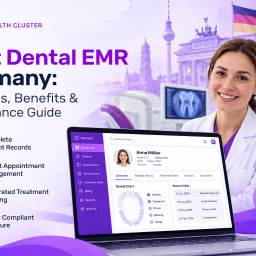
Dental Clinics
Dental practices often need specialty-specific charting, treatment plans, appointment scheduling, billing and patient record management.
A dedicated dental clinic management solution may be more suitable than a generic clinic application when detailed dental workflows are essential.
Daycare and Outpatient Centres
Daycare and outpatient facilities may need to coordinate patient visits, treatment documentation, diagnostics, billing and discharge-related workflows according to their service model.
Diagnostic Laboratories
Laboratories require workflows for test ordering, specimen processing, results management and communication with authorized healthcare providers. A dedicated LIS may be required alongside clinic management software.
Hospitals and Larger Healthcare Networks
Larger organizations generally need broader functionality, including hospital information systems, departmental coordination, inpatient workflows, diagnostics, financial management and more complex integrations.
A clinic management platform and a hospital management system serve overlapping but distinct purposes. Healthcare organizations should confirm that the proposed solution supports the complexity of their operations.
Benefits of an Integrated Clinic Management System
An integrated clinic management system can deliver practical operational benefits when implemented around the facility’s actual needs.
Better information access: Authorized staff can retrieve relevant patient and administrative information through connected workflows.
More organized scheduling: Digital appointment management can help teams coordinate doctor availability and patient visits.
Reduced repetitive administration: Structured records and connected workflows can reduce manual data entry where the same information would otherwise be entered multiple times.
Improved financial oversight: Connected billing and reporting can help administrators review transactions, outstanding payments and operational performance.
More consistent documentation: Standardized templates and workflows can support consistent clinical recordkeeping.
Improved coordination: Integration between clinical, diagnostic and administrative systems can reduce information gaps.
Greater operational visibility: Reports and dashboards can help managers monitor activity and identify processes that need improvement.
These outcomes are not automatic. Results depend on system capabilities, data quality, implementation, staff adoption and the quality of the underlying operational processes.
Why Consider HealthCluster for Healthcare Management Software?
HealthCluster focuses on connected healthcare technology for providers seeking to digitize clinical and administrative workflows.
Its broader portfolio includes electronic medical records, hospital information systems, dental solutions, laboratory information systems and telehealth capabilities.
Healthcare providers can evaluate the platform against their requirements for patient management, clinical documentation, appointments, billing, diagnostics and interoperability.
Before selecting a solution, request a demonstration that reflects your facility’s actual workflows. Confirm the availability of each required module, the scope of integrations, implementation timelines, training arrangements and ongoing support.
For clinics in Dubai and elsewhere in the UAE, local integration and regulatory requirements should be part of the evaluation from the beginning.
The objective is not simply to purchase medical software. It is to implement a system that supports clinical teams, simplifies administrative work and provides a reliable foundation for future growth.
Frequently Asked Questions
What is the best clinic management software in Dubai?
The best clinic management software in Dubai depends on your facility’s specialties, patient volume, clinical workflows, budget and integration requirements. Compare EMR capabilities, appointment scheduling, billing, patient management, reporting, security and the applicable NABIDH requirements. Request a demonstration before making a decision.
What is the difference between clinic management software and a clinic management system?
The terms are commonly used interchangeably. Both can refer to software for managing appointments, patient records, consultations and administrative workflows. The actual functionality depends on the product and its modules.
Is clinic management software available online?
Yes. Online clinic management software may refer to a cloud-hosted application accessible through supported internet-connected devices. Before choosing an online clinic management software solution, review its hosting model, security controls, backup arrangements and connectivity requirements.
What is the difference between EMR software and medical clinic software?
EMR software primarily focuses on electronic medical records and clinical documentation. Medical clinic software may include EMR capabilities along with scheduling, patient registration, billing, reporting and administrative workflows. Some platforms provide both within an integrated system.
Does clinic management software in the UAE need NABIDH integration?
Requirements depend on the healthcare facility, its jurisdiction and applicable DHA rules. Dubai providers should assess the NABIDH requirements that apply to their facility and verify the vendor’s integration capabilities and implementation status before purchasing software.
Can clinic management software support multi-specialty clinics?
Yes, if the system supports multiple specialties, doctor schedules, patient records, clinical documentation, billing and the required departmental workflows. Larger facilities should also assess integration, reporting, permissions and scalability.
Can clinic software integrate with laboratory and pharmacy systems?
Integration may be available through supported interfaces, APIs or healthcare data exchange standards. The available functionality depends on the products involved, technical specifications and implementation scope. Confirm the exact interfaces required by your clinic.
What should I look for in medical software in Dubai?
Prioritize clinical usability, patient record management, scheduling, billing, data security, relevant healthcare integrations, migration capabilities, support and total cost of ownership. Verify any claims about regulatory compliance against your facility’s specific requirements.
Is cloud-based clinic management software suitable for small clinics?
It can be suitable when the application meets the clinic’s functional, security, connectivity and budget requirements. Evaluate the vendor’s hosting arrangement, access controls, backup and recovery procedures, support and contract terms.
How can I request a HealthCluster demo?
Visit HealthCluster and use the available demo or contact options to discuss your clinic’s requirements. Explain your facility type, location, specialties and required integrations so the team can demonstrate the most relevant capabilities.
Modernize Your Clinic with HealthCluster
Managing a healthcare facility requires coordination between patients, clinicians, administrative teams and supporting services. An integrated clinic management system can help bring these activities together while supporting more organized workflows and better access to information.
If you are evaluating clinic management software in Dubai or across the UAE, assess the features, integrations, security controls and implementation support your organization actually needs.
Book a HealthCluster demo to explore healthcare management solutions for your clinic, medical centre or multi-specialty outpatient facility.
Visit HealthCluster to get started.