

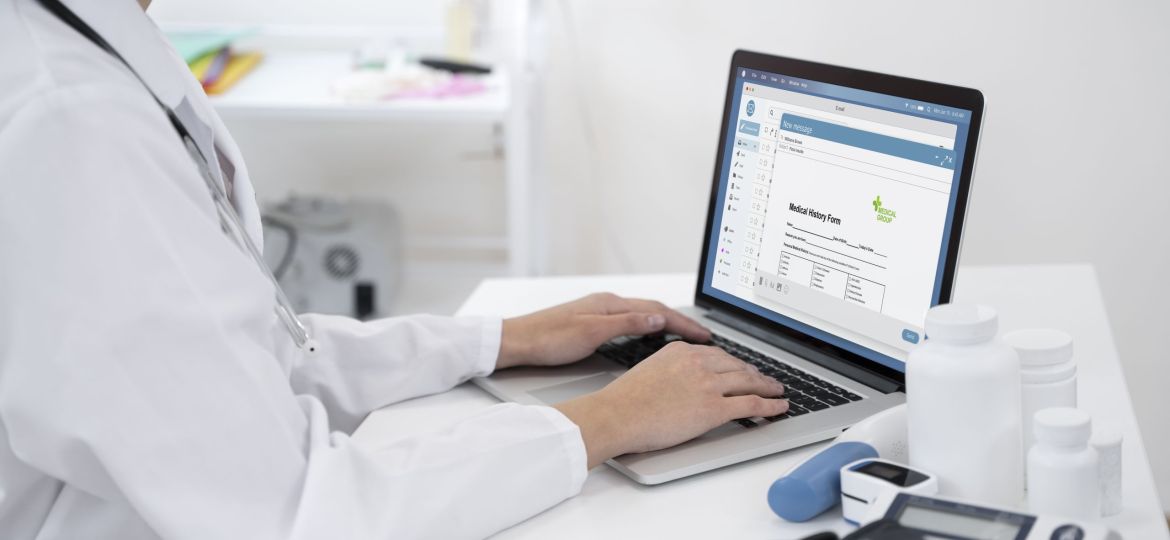
Healthcare across Saudi Arabia is transforming rapidly. Hospitals, clinics, and medical centers are shifting from traditional paper-based operations to advanced digital systems. One of the most important tools driving this change is the Patient Management System Software (PMS) — a platform designed to simplify hospital operations, reduce administrative tasks, and enhance patient care.
In this article, we’ll explain what a patient management system software is, why it’s essential for Saudi healthcare facilities, and how it supports CBAHI compliance and Vision 2030 digital health goals.
What is a Patient Management System Software?
A patient management system software is a digital solution that helps hospitals manage all patient-related activities — from appointment scheduling and patient registration to billing, prescriptions, and medical record management.
It acts as the central hub of a hospital’s operations, ensuring smooth communication between departments, doctors, and patients.
In Saudi Arabia, healthcare providers are under increasing pressure to improve service quality and meet CBAHI (Central Board for Accreditation of Healthcare Institutions) standards. A modern patient management software supports this by providing accurate records, real-time data access, and seamless coordination between medical teams.
Key functions include:
- Recording patient demographics and visit history
- Managing appointments and queues
- Handling billing, insurance claims, and payment tracking
- Maintaining electronic medical records (EMR)
- Enabling online communication between patients and doctors
Key Features of Hospital Patient Management Software
A robust hospital patient management software offers several integrated features designed to make healthcare operations more efficient and patient-centric.
1. Appointment Scheduling and Queue Management
The system automates the booking process, allowing patients to schedule appointments online. It also manages real-time queues, reducing waiting time and improving patient flow.
2. Electronic Medical Record (EMR) Integration
EMR integration ensures that doctors can easily access patient histories, lab reports, and treatment records — all in one place. This improves diagnosis accuracy and continuity of care.
3. Billing and Insurance Management
The software automates invoicing, e-claims submission, and payment tracking. This reduces human errors and ensures faster claim processing, aligning with Saudi insurance standards and e-claim systems.
4. Secure Patient Data Management
Data privacy is a top priority. PMS software in Saudi Arabia complies with local data protection regulations and uses encryption to safeguard sensitive patient information.
5. Reporting and Analytics
Advanced dashboards provide performance insights — from patient visits to financial reports — helping hospital administrators make data-driven decisions.
Benefits for Saudi Hospitals and Clinics
Implementing patient management software offers several benefits for both small clinics and large hospitals across Saudi Arabia.
1. Operational Efficiency
Automating manual tasks reduces paperwork, saves staff time, and ensures faster processing of patient information.
2. Enhanced Patient Experience
Patients can book appointments online, access their reports, and receive SMS reminders. This convenience improves trust and satisfaction.
3. Real-Time Access for Doctors and Nurses
With digital records, healthcare professionals can access patient data anytime, anywhere — especially helpful for multi-branch hospitals and telehealth services.
4. Improved Accuracy and Fewer Errors
Automation reduces the risk of duplicate entries and incorrect billing. This ensures better financial control and transparent operations.
5. CBAHI and Vision 2030 Compliance
The software helps hospitals maintain high-quality standards, accurate documentation, and electronic reporting — key elements for CBAHI accreditation and Vision 2030’s eHealth transformation goals.
How Patient Management Software Supports CBAHI Compliance
In Saudi Arabia, healthcare institutions must comply with CBAHI guidelines to ensure quality and safety. Patient management software plays a vital role in meeting these standards.
Here’s how it supports compliance:
- Accurate Record Keeping: All patient data is stored electronically, ensuring accuracy and easy retrieval during audits.
- Data Security: Role-based access and encryption prevent unauthorized access.
- Performance Monitoring: Built-in reporting tools help track hospital performance indicators.
- Quality Assurance: Automated systems reduce manual errors and improve service reliability.
- Integration with National eHealth Systems: The software connects with national platforms like Wasfaty (e-prescriptions) and Seha (telemedicine) for better continuity of care.
Choosing the Right Patient Management Software in Saudi Arabia
Selecting the right system is crucial for long-term success. Hospitals and clinics in Saudi Arabia should evaluate their options carefully.
1. Local Support and Arabic Interface
Choose a system that offers Arabic and English language support for better usability among staff and patients.
2. Cloud-Based vs On-Premise
Cloud-based solutions offer flexibility, remote access, and easy updates — ideal for multi-branch hospitals. On-premise systems are preferred by facilities with stricter data control policies.
3. Integration Capabilities
Ensure the software can integrate with other systems such as EMR, LIS (Laboratory Information System), and RIS (Radiology Information System).
4. CBAHI and MOH Compatibility
Select vendors that design their systems in line with Ministry of Health (MOH) regulations and CBAHI standards.
5. Data Hosting and Security
Check that data is hosted on Saudi-based servers and complies with Saudi Data & Artificial Intelligence Authority (SDAIA) requirements.
The Role of Patient Relationship Management Software
Beyond administrative efficiency, hospitals now focus on patient engagement. This is where patient relationship management software (PRM) comes in.
PRM tools help build long-term relationships with patients by managing communication, feedback, and personalized care.
Key advantages include:
- Automated SMS and WhatsApp appointment reminders
- Post-visit feedback collection for quality improvement
- Personalized follow-ups for chronic patients
- Loyalty and retention tracking
- Integration with marketing campaigns for preventive care
A strong patient relationship system increases retention, strengthens reputation, and helps hospitals stand out in Saudi Arabia’s competitive healthcare market.
Future of Healthcare Automation in Saudi Arabia
Saudi Arabia’s healthcare system is evolving fast. The next phase of automation will combine AI, telemedicine, and advanced analytics with patient management platforms.
Emerging Trends:
- AI-Powered Predictive Analytics: Forecast patient visits, disease trends, and staff workload.
- Telehealth Integration: Combine PMS with teleconsultation for remote care.
- Blockchain for Secure Health Records: Improve transparency and data ownership.
- Smart Hospitals: IoT-based devices for patient tracking, bed management, and asset monitoring.
As part of Vision 2030, digital health transformation aims to make Saudi Arabia a leader in healthcare innovation and patient-centered care.
FAQs
Q1: What is patient management system software used for?
It manages patient data, appointments, billing, and reports, ensuring smoother hospital operations and better patient experiences.
Q2: How does hospital patient management software improve workflow?
It automates administrative tasks, minimizes paperwork, and provides real-time access to patient data.
Q3: Is patient management software CBAHI compliant in Saudi Arabia?
Yes, most leading solutions are built to meet CBAHI standards for documentation, data safety, and quality management.
Q4: What is the difference between EMR and patient management software?
EMR focuses on patient health records, while PMS covers the entire patient journey — from registration to billing and reporting.
Q5: How can small clinics in Saudi Arabia benefit from PMS?
It helps small facilities manage patient flow, reduce costs, and improve efficiency without needing large administrative teams.
Q6: What are the top features to look for in hospital management software?
Look for EMR integration, billing automation, reporting, data security, and multi-language support.
Conclusion
Implementing a Patient Management System Software in Saudi Arabia is no longer optional — it’s essential for improving patient care, ensuring compliance, and meeting the goals of Vision 2030. Hospitals that adopt digital solutions today will lead the future of healthcare tomorrow.
Ready to digitalize your hospital operations?
Adopt a CBAHI-compliant Patient Management System Software tailored for Saudi Arabia. Streamline your workflows, enhance patient satisfaction, and ensure data security.
📞 Contact our experts today to schedule a free demo and discover how automation can transform your healthcare facility.