
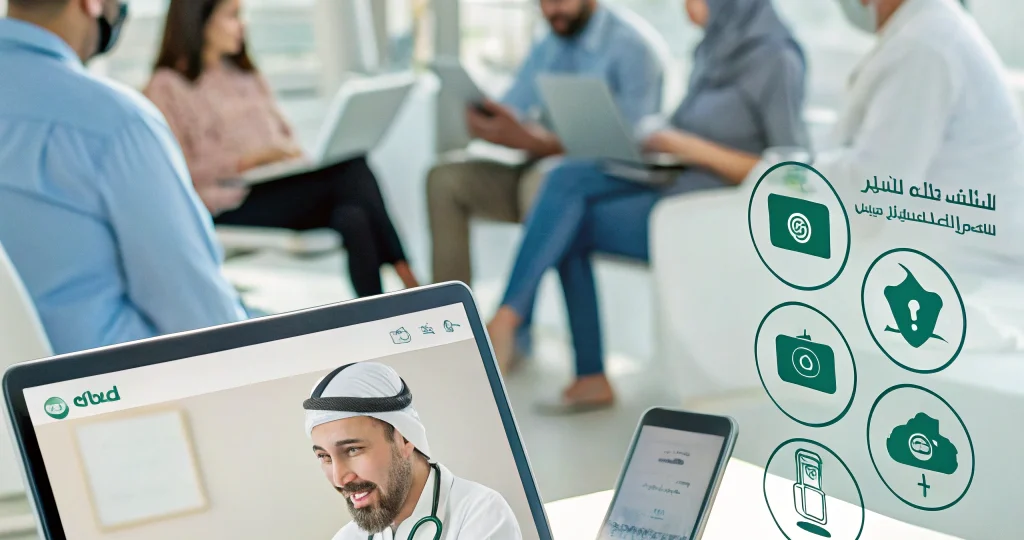
Telemedicine has transformed how patients connect with doctors and healthcare providers. Through secure digital platforms, patients can access medical consultations, follow-up care, prescriptions, medical records, and other healthcare services without always visiting a physical facility.
Modern telemedicine software connects patients, doctors, clinics, hospitals, and healthcare organizations through web-based platforms and mobile applications. It can support video consultations, appointment scheduling, electronic medical records, e-prescriptions, secure messaging, remote patient monitoring, and integration with existing healthcare systems.
HealthCluster provides a comprehensive telemedicine platform designed to help healthcare providers deliver connected, accessible, and digitally managed healthcare services across different markets.
What Is Telemedicine?
Telemedicine is the delivery of healthcare services through digital communication technologies. It enables doctors and other healthcare professionals to communicate with patients remotely through video calls, audio consultations, secure messaging, and other digital channels.
Instead of requiring every patient to travel to a hospital or clinic, telemedicine allows healthcare providers to conduct appropriate consultations and follow-ups remotely.
Telemedicine can support healthcare organizations by improving accessibility, reducing unnecessary visits, extending specialist availability, and creating more convenient ways for patients to communicate with their healthcare providers.
How Does Telemedicine Work?
A typical telemedicine process connects a patient and healthcare provider through a secure digital platform.
- The patient registers or logs into the telemedicine platform.
- The patient selects a doctor or healthcare service.
- An appointment is scheduled.
- The doctor reviews relevant patient information.
- The consultation takes place through video, audio, or secure messaging.
- The doctor documents the consultation.
- Where appropriate, an electronic prescription or treatment plan is provided.
- The patient can continue with digital follow-up and remote care.
The exact workflow depends on the healthcare organization’s requirements and the capabilities of its telemedicine software.
Telemedicine vs. Telehealth
Telemedicine generally focuses on the remote delivery of clinical services, such as virtual consultations and medical follow-ups.
Telehealth is a broader concept that can include telemedicine as well as remote monitoring, digital health education, healthcare administration, and other technology-enabled healthcare services.
Both concepts are important components of modern digital healthcare.
What Is Telemedicine Software?
Telemedicine software is a digital healthcare solution that enables doctors, patients, clinics, hospitals, and healthcare organizations to manage remote healthcare interactions.
A modern telemedicine solution can combine communication tools, clinical workflows, patient management, appointment scheduling, electronic medical records, e-prescriptions, payments, notifications, analytics, and healthcare integrations within a single platform.
For healthcare providers, telemedicine software is more than a video calling application. A complete platform connects the virtual consultation with the organization’s broader clinical and administrative workflows.
Key Features of Telemedicine Software
A comprehensive telemedicine software platform may include:
- Video and audio consultations
- Online appointment scheduling
- Doctor availability management
- Patient registration
- Electronic medical records
- Digital patient history
- E-prescriptions
- Secure patient messaging
- Remote patient monitoring
- Follow-up management
- Digital notifications
- Online payments
- Healthcare analytics
- Clinical documentation
- EMR and HIS integration
- Mobile applications
- Role-based access
- Healthcare reporting
The right feature set depends on the size, specialty, workflow, and regulatory requirements of the healthcare organization.
Telemedicine Platform for Healthcare Providers
A telemedicine platform provides the digital infrastructure required to manage remote healthcare services.
Hospitals and clinics can use telemedicine platforms to connect doctors and patients while maintaining organized clinical workflows.
Telemedicine Software for Hospitals
Hospitals can use telemedicine to extend consultations beyond physical facilities and provide remote access to selected medical services.
A hospital telemedicine platform can support:
- Multiple departments
- Multiple doctors
- Patient scheduling
- Virtual consultations
- Electronic medical records
- Specialist consultations
- Digital prescriptions
- Patient communication
- Clinical documentation
- Reporting and analytics
Integration with existing hospital information systems can also help healthcare organizations maintain continuity between virtual and in-person care.
Telemedicine Software for Clinics
Clinics can use telemedicine software to offer online consultations, follow-up appointments, remote patient communication, and digital healthcare services.
For smaller clinics, a centralized telemedicine platform can reduce the need to manage multiple disconnected systems.
Telemedicine Platform for Doctors
Doctors can use telemedicine platforms to manage virtual appointments, review patient information, conduct online consultations, document clinical encounters, and provide digital prescriptions where appropriate.
A dedicated doctor interface can make it easier to manage appointments and patient interactions from a computer or mobile device.
Telemedicine Apps
Mobile applications make telemedicine more accessible to both healthcare providers and patients.
A complete telemedicine ecosystem can include separate applications or interfaces for doctors and patients.
Telemedicine Doctor App
A telemedicine doctor app gives healthcare professionals access to essential tools for managing virtual consultations and patient interactions.
Common doctor app features include:
- Doctor profile management
- Appointment calendar
- Patient information
- Video consultations
- Audio consultations
- Patient history
- Clinical notes
- Digital prescriptions
- Follow-up appointments
- Notifications
- Availability management
A doctor app should be designed around clinical workflows rather than simply functioning as a video calling application.
Telemedicine Patient App
A telemedicine patient app allows patients to access healthcare services from their smartphones or other supported devices.
Patients may be able to:
- Create a healthcare profile
- Search for doctors
- View doctor availability
- Book appointments
- Join video consultations
- Communicate securely with providers
- Access medical information
- Receive prescriptions
- Make digital payments
- Receive appointment notifications
- Schedule follow-ups
A simple patient experience is important because complicated registration and booking processes can reduce adoption.
Telemedicine Software Features
Video Consultation
Video consultation allows patients and healthcare providers to communicate remotely through a secure digital environment.
It can be used for appropriate medical consultations, follow-ups, specialist interactions, and other healthcare workflows where physical examination is not required.
Online Appointment Scheduling
Appointment scheduling allows patients to select available doctors, specialties, dates, and time slots.
Healthcare organizations can use scheduling tools to manage doctor availability, appointment calendars, cancellations, and follow-ups.
Electronic Medical Records
Connecting telemedicine with electronic medical records (EMR) allows healthcare providers to access relevant patient information during remote consultations.
This can help create continuity between virtual and physical healthcare services.
E-Prescription
Where permitted by applicable regulations, telemedicine platforms can support electronic prescriptions.
Doctors can generate and manage prescriptions digitally while patients can access their prescription information through the appropriate platform or application.
Remote Patient Monitoring
Remote patient monitoring allows healthcare providers to collect and review selected patient information outside traditional healthcare facilities.
Depending on the use case, this may involve connected devices, patient-reported information, vital signs, or other health data.
Secure Patient Communication
Telemedicine platforms can provide secure communication channels between patients and healthcare professionals.
These may include messaging, appointment notifications, consultation updates, and follow-up communication.
EMR and HIS Integration
Integration with EMR, EHR, HIS, HMIS, laboratory, pharmacy, and other healthcare systems can help organizations connect telemedicine with their existing infrastructure.
The goal is to avoid creating an isolated virtual healthcare system that operates separately from the organization’s core clinical data.
Telemedicine for Healthcare Organizations
Telemedicine can be implemented across different healthcare environments.
Telemedicine for Hospitals
Hospitals can use telemedicine for remote consultations, specialist access, follow-ups, and selected outpatient services.
Telemedicine for Clinics
Clinics can use virtual consultations to improve appointment flexibility and maintain communication with patients between physical visits.
Telemedicine for Doctors
Independent doctors and specialists can use telemedicine platforms to provide appropriate consultations and follow-up services remotely.
Telemedicine for Specialty Healthcare
Telemedicine can also support selected specialties where remote consultation and follow-up are clinically appropriate.
Examples can include:
- Primary care
- Mental health services
- Dermatology
- Chronic disease management
- Follow-up care
- Specialist consultations
- Post-treatment monitoring
The suitability of telemedicine depends on the patient’s condition and the clinical requirements of the consultation.
Telemedicine Around the World
Telemedicine adoption differs between countries because healthcare regulations, infrastructure, technology adoption, reimbursement models, and patient expectations vary by market.
HealthCluster can support healthcare organizations looking to implement digital and remote healthcare workflows across different regions.
Telemedicine in Saudi Arabia
Saudi Arabia is investing heavily in healthcare digitization and digital transformation. Telemedicine can help healthcare providers expand access to remote consultations while supporting modern healthcare delivery models.
Healthcare organizations in Saudi Arabia may use telemedicine alongside electronic medical records, digital healthcare platforms, e-prescriptions, and other connected healthcare technologies.
For a detailed regional guide, explore our Telemedicine in Saudi Arabia resources.
Telemedicine in Dubai
Dubai has developed a technology-driven healthcare ecosystem with increasing adoption of digital healthcare services.
Telemedicine solutions can help clinics, hospitals, and healthcare providers offer virtual consultations, appointment management, patient communication, and remote healthcare services.
Healthcare organizations operating in Dubai should select telemedicine software according to their clinical workflows, technology requirements, and applicable UAE healthcare regulations.
Explore our dedicated Telemedicine in Dubai resources for a more detailed market-specific overview.
Telemedicine in UAE
Across the UAE, healthcare organizations are adopting digital technologies to improve accessibility, patient engagement, and operational efficiency.
A telemedicine platform can support virtual consultations while connecting digital healthcare services with existing clinical systems.
For organizations evaluating telemedicine solutions in the UAE, important considerations include integration, security, scalability, user experience, and compliance requirements.
Telemedicine in Africa
Telemedicine can play an important role in expanding healthcare access across African markets, particularly where geographic distance and limited specialist availability create challenges.
Digital healthcare platforms can help connect patients with healthcare professionals remotely and support healthcare delivery across urban and underserved areas.
Important considerations for African telemedicine deployments include internet connectivity, mobile accessibility, healthcare infrastructure, affordability, data protection, and local regulatory requirements.
Telemedicine in South Africa
South Africa has a growing digital healthcare ecosystem where telemedicine can support remote consultations, follow-up care, specialist access, and patient communication.
Healthcare providers evaluating telemedicine software in South Africa should consider platform security, integration capabilities, patient accessibility, mobile support, and applicable healthcare requirements.
Benefits of Telemedicine
When implemented appropriately, telemedicine can provide several benefits for healthcare organizations and patients.
Improved Access to Healthcare
Patients can communicate with healthcare providers without always traveling to a physical healthcare facility.
Greater Convenience
Virtual consultations can make healthcare appointments more convenient for patients who have mobility, transportation, scheduling, or geographic challenges.
Better Continuity of Care
Digital follow-ups and remote communication can help healthcare providers maintain contact with patients between physical appointments.
Wider Specialist Access
Telemedicine can make it easier for patients in locations with limited specialist availability to connect with appropriate healthcare professionals.
Operational Efficiency
Digital scheduling, consultation workflows, patient communication, and documentation can help healthcare organizations organize remote services more efficiently.
Telemedicine vs Traditional Healthcare
| Feature | Telemedicine | Traditional Healthcare |
|---|---|---|
| Consultation | Remote | In-person |
| Location | Patient can access remotely | Physical facility |
| Appointment | Online scheduling | Online or manual |
| Communication | Video, audio, messaging | In-person |
| Patient records | Digital | Digital or physical |
| Follow-up | Can be remote | Often requires visit |
| Specialist access | Can be remote | Usually location-dependent |
| Physical examination | Limited | Available |
| Emergency care | Not suitable for many emergencies | Appropriate emergency facilities |
Telemedicine does not replace traditional healthcare in every situation.
Physical examinations, emergency treatment, procedures, diagnostic testing, and many clinical services still require in-person care.
The strongest healthcare model often combines digital and physical services rather than treating them as competing systems.
How to Choose Telemedicine Software
Healthcare organizations should evaluate telemedicine software based on their actual clinical and operational requirements.
Important factors include:
Security and Privacy
Patient health information must be handled securely and according to applicable data protection and healthcare requirements.
Integration
The platform should integrate with existing EMR, EHR, HIS, HMIS, laboratory, pharmacy, and other relevant healthcare systems where required.
Scalability
The solution should be capable of supporting increasing numbers of doctors, patients, facilities, and consultations.
User Experience
Both doctors and patients should be able to use the platform without unnecessary complexity.
Mobile Accessibility
Mobile applications can be particularly important for patients and healthcare professionals who need access while away from a desktop computer.
Reporting and Analytics
Healthcare organizations should have access to meaningful operational and clinical reports relevant to their telemedicine services.
Customization
Different hospitals, clinics, and specialties have different workflows. The platform should support appropriate configuration and customization.
Why Choose HealthCluster for Telemedicine?
HealthCluster provides healthcare technology solutions designed to connect clinical, administrative, and digital healthcare workflows.
Its telemedicine capabilities can help healthcare organizations manage virtual consultations while connecting remote healthcare services with broader digital healthcare infrastructure.
Depending on the organization’s requirements, a telemedicine implementation can include:
- Telemedicine platform
- Doctor application
- Patient application
- Video consultations
- Online appointments
- Electronic medical records
- E-prescriptions
- Patient communication
- Remote healthcare workflows
- Healthcare system integrations
- Reporting and analytics
The objective is to provide healthcare organizations with a connected digital environment rather than a standalone video consultation tool.
Frequently Asked Questions About Telemedicine
What is telemedicine?
Telemedicine is the delivery of healthcare services through digital communication technologies, allowing patients and healthcare professionals to interact remotely.
What is telemedicine software?
Telemedicine software is a digital healthcare platform that supports remote consultations, appointments, patient communication, medical records, e-prescriptions, and other virtual healthcare workflows.
What is a telemedicine platform?
A telemedicine platform provides the infrastructure that connects patients, doctors, clinics, and hospitals for remote healthcare services.
What features should telemedicine software have?
Important features can include video consultation, appointment scheduling, patient management, electronic medical records, e-prescriptions, secure messaging, remote monitoring, mobile applications, analytics, and healthcare integrations.
What is a telemedicine doctor app?
A telemedicine doctor app allows healthcare professionals to manage virtual appointments, access patient information, conduct consultations, document encounters, and perform other supported clinical tasks.
Can telemedicine software integrate with EMR systems?
Yes. Depending on the platform and integration architecture, telemedicine software can integrate with EMR, EHR, HIS, HMIS, laboratory, pharmacy, and other healthcare systems.
Is telemedicine available in Saudi Arabia?
Yes. Telemedicine is part of the broader digital healthcare ecosystem in Saudi Arabia. Healthcare organizations should follow applicable Saudi healthcare, data protection, and digital health requirements when implementing telemedicine services.
Is telemedicine available in Dubai?
Yes. Telemedicine is used as part of digital healthcare services in Dubai. Healthcare organizations should ensure their implementation meets applicable UAE and Dubai healthcare requirements.
Can telemedicine be used in Africa?
Yes. Telemedicine can support remote healthcare delivery across African markets, although implementation requirements vary significantly between countries based on infrastructure, regulations, connectivity, and healthcare systems.
Does telemedicine replace hospitals and clinics?
No. Telemedicine complements traditional healthcare rather than replacing it. Many conditions and services still require physical examinations, diagnostic testing, procedures, emergency treatment, or in-person care.
Start Your Telemedicine Journey with HealthCluster
Build a connected digital healthcare experience for doctors, patients, clinics, and hospitals with HealthCluster’s telemedicine solutions.
From virtual consultations and appointment scheduling to doctor and patient applications, electronic medical records, e-prescriptions, and healthcare integrations, HealthCluster can help healthcare organizations develop a more connected approach to remote care.
Book a Telemedicine Software Demo today and explore how HealthCluster can support your organization’s digital healthcare strategy.