

Telemedicine & Telehealth in South Africa
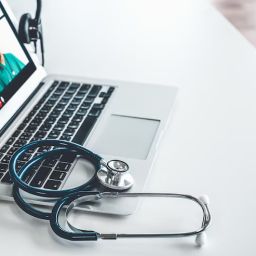
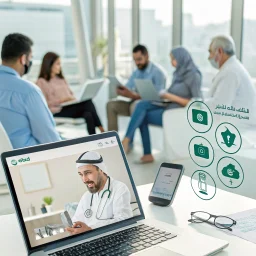
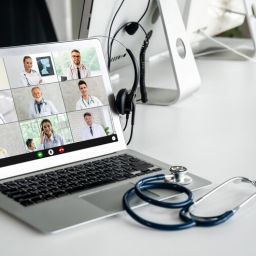
In recent years, telemedicine has transformed the healthcare landscape worldwide. In South Africa, digital healthcare solutions are becoming a critical part of patient care. Telemedicine meaning refers to the delivery of healthcare services remotely using technology. Through telehealth platforms, patients can access doctors, specialists, and health information without visiting clinics physically.
The growing adoption of telemedicine in South Africa has been fueled by advancements in technology, increased internet access, and the need for more efficient healthcare solutions. Patients now enjoy faster consultations, better monitoring, and improved healthcare access, especially in rural and underserved regions.
What is Telemedicine?
Telemedicine is the practice of using digital tools to provide medical care from a distance. It allows patients to communicate with healthcare providers via video calls, messaging, or specialized apps. What is telemedicine and how does it differ from telehealth? While telemedicine focuses on clinical services, telehealth includes a broader range of healthcare services, including education, wellness programs, and administrative support.
The telemedicine meaning also encompasses the use of Electronic Medical Records (EMR), artificial intelligence, and secure communication systems to ensure accurate diagnosis and treatment. For patients in South Africa, telemedicine offers a safe, accessible, and cost-effective solution to healthcare challenges.
Telemedicine in South Africa
Telemedicine south africa is no longer a niche concept. Hospitals, polyclinics, and private practices are adopting digital platforms to connect with patients remotely. Major cities like Johannesburg, Cape Town, and Durban are leading in telehealth adoption, while rural areas are gradually catching up thanks to government initiatives and improved internet access.
Telehealth south africa programs have made healthcare more inclusive. Patients in remote regions can now consult specialists without traveling long distances. Local healthcare providers are increasingly using digital tools to schedule appointments, access lab results, and manage patient records. South Africa is rapidly moving toward a digitally integrated healthcare system.
Benefits of Telemedicine
The advantages of telemedicine are clear, particularly in terms of health, access, and technology:
- Improved Access – Patients in rural or underserved areas can connect with doctors and specialists without traveling long distances.
- Enhanced Health Outcomes – Remote monitoring, follow-ups, and timely interventions reduce complications.
- Technological Integration – Telemedicine leverages EMR systems, AI diagnostics, and mobile apps for better patient care.
- Information Availability – Patients can access their health records, educational resources, and lab results securely online.
- Cost Efficiency – Telemedicine reduces hospital visits, travel expenses, and waiting times for patients.
By integrating technology and digital solutions, South Africa is improving overall healthcare efficiency while increasing patient satisfaction.
Telemedicine Jobs & Career Opportunities
The rise of telemedicine jobs south africa reflects the sector’s rapid growth. Healthcare providers, IT specialists, and support staff are all in demand.
Key roles include:
- Doctors and Specialists – Conduct virtual consultations and remote diagnostics.
- Nurses and Medical Assistants – Support patients and monitor chronic conditions remotely.
- IT Professionals – Develop telemedicine apps, maintain systems, and ensure data security.
- Customer Support and Admin Staff – Manage bookings, patient queries, and telehealth platforms.
Salaries and growth opportunities in telemedicine south africa are promising, with career paths expanding as healthcare systems embrace technology.
How Telemedicine Works
Telemedicine relies heavily on technology, access, and information to deliver healthcare efficiently.
Process Overview:
- Patient Registration – Patients sign up on telemedicine platforms or apps.
- Appointment Scheduling – Using the platform, patients book consultations with doctors or specialists.
- Virtual Consultation – Video calls, chat, or telehealth apps allow doctors to assess symptoms, provide prescriptions, and monitor treatment.
- Integration with EMR Systems – Patient data is securely stored in electronic medical health records for continuity of care.
- Follow-Up and Monitoring – Patients can track recovery, report side effects, or get reminders for medication or tests.
By combining information, access, and advanced technology, telemedicine ensures continuity of care even from a distance.
Challenges & Limitations
Despite its benefits, telemedicine faces some challenges:
- Connectivity Issues – Rural areas in South Africa may have limited internet access, reducing telemedicine effectiveness.
- Data Security & Privacy – Protecting patient information is critical; platforms must comply with regulations.
- Adaptation Challenges – Patients and healthcare providers must learn to use telehealth tools effectively.
- Limited Access for Certain Populations – Elderly or low-tech users may struggle with digital platforms.
Understanding these limitations helps providers improve their telemedicine services, ensuring better outcomes and access for all patients.
Telemedicine FAQs / Long-Tail Questions
What is Telemedicine Abortion?
Keywords: what is telemedicine abortion
Telemedicine abortion refers to the provision of medical abortion services through digital platforms. Patients can consult a healthcare provider online, receive prescriptions, and follow instructions remotely. Regulations in South Africa require strict adherence to medical guidelines, ensuring safety and efficacy.
How to Increase Telemedicine Utilization
Keywords: how to increase telemedicine utilization
Healthcare providers can increase adoption by:
- Training staff on telemedicine platforms.
- Educating patients about telehealth benefits.
- Integrating telemedicine with EMR systems.
- Offering easy-to-use mobile apps for consultations.
How to Make a Telemedicine App
Keywords: how to make a telemedicine app, technology
Developing a telemedicine app involves:
- Planning the app features (video calls, EMR integration, prescription management).
- Ensuring data security and compliance with healthcare regulations.
- Testing usability for patients and providers.
- Launching and maintaining the app with regular updates.
The Future of Telemedicine in South Africa
The future of telemedicine in South Africa looks promising:
- AI and Remote Monitoring – Artificial intelligence can assist in diagnostics and treatment planning.
- Telepsychiatry and Mental Health – Expanding telehealth into mental wellness services.
- Improved Access – Rural populations will benefit from wider coverage and lower costs.
- Integration with EMR and Hospital Systems – Seamless sharing of information enhances patient care.
Telemedicine will continue to bridge gaps in healthcare, making services more efficient, accessible, and patient-friendly.
Conclusion
Telemedicine and telehealth are transforming healthcare in South Africa. By combining technology, improved access, and reliable information, patients can receive care safely and efficiently. With increasing telemedicine jobs south africa and expanding services, the future of digital healthcare is bright.
For healthcare providers and patients alike, embracing telemedicine is no longer optional—it is essential for modern, effective healthcare delivery.